
Planning · First-timer guide
Plan Your Rishikesh Rafting Trip — The Complete First-Timer's Guide
Everything you need to know before you book — when to come, how to get there, what to wear, who can raft, what to bring, and what it actually costs.
- SeasonSept 15 – Jun 30
- Routes7 / 14 / 24 km
- Min age12 / 14 / 16
- Swim requiredNo
- From Delhi~6 hours
- Budget₹1,000 – ₹3,500
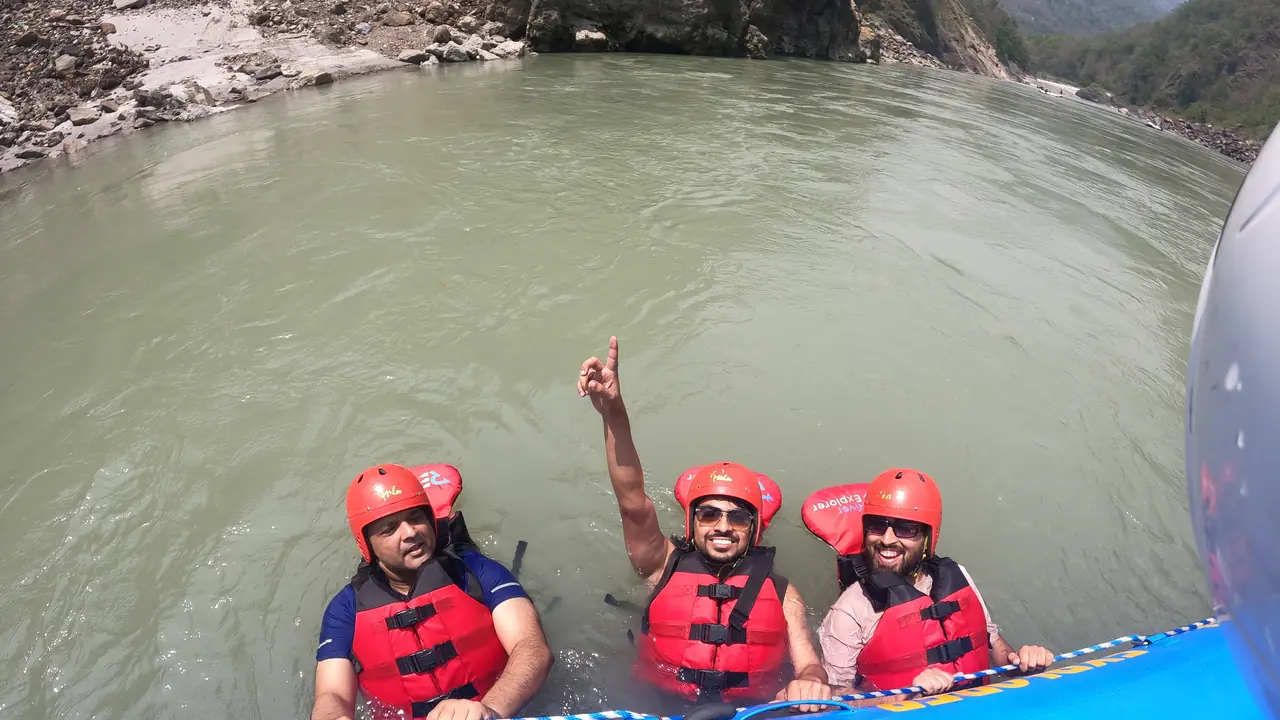
Plan your Rishikesh rafting trip in four steps: (1) Pick your season — September to October for the biggest water, March to May for the warmest weather. (2) Pick your route — Brahmpuri 7 km for first-timers, Shivpuri 14 km for the classic half-day, Marine Drive 24 km for the full-day expedition. (3) Pack quick-dry clothes, sports sandals, sunscreen, a change of clothes, and one photo ID. (4) Book on WhatsApp through RaftingX — every operator on the platform is verified for gear, guide credentials, and GPS-tracked trips.
This guide is everything we'd tell a friend planning their first Rishikesh rafting trip — the timing, the logistics, the gear, the costs, the people who can and can't raft, and the small things first-timers tend to get wrong.
When to come — the Rishikesh rafting season
The Ganga is open for rafting from September 15 to June 30. It closes for monsoon (July to mid-September) by Uttarakhand state order, when the river runs too high and too fast to be safely commercial.
Inside that window, four broad phases:
- September to October. Peak water, biggest rapids, biggest crowds. This is the "real" Rishikesh experience — Grade III-IV rapids running at full volume, and a river that pushes a raft instead of carrying it.
- November to February. Cool air (10–18°C), clear sky, smaller rapids, smallest crowds of the season. Comfortable for foreign tourists pairing rafting with yoga or temples. Water is cold — 12–15°C — so layer planning matters more than gear count.
- March to May. The sweet spot for most travellers. Warm to hot air, moderate water, manageable crowds. Long enough days to do a full Marine Drive expedition and still get home before sundown.
- June. Hot, dry, and the last commercial window before the river closes. Water levels start to climb as the snowmelt picks up — Marine Drive feels biggest in mid-June. Sun is the real risk; carry double the SPF.
See the full month-by-month breakdown for water levels, weather, crowds, and prices week by week.
How to reach Rishikesh
From Delhi NCR — most common, ~6 hours by road
- Drive. NH334 via Meerut and Roorkee, ~230 km, six hours in good traffic. Friday evening from Delhi gets you to Rishikesh by midnight; Saturday morning raft, Sunday return.
- AC bus. Daily Volvo and HRTC services from ISBT Kashmere Gate, 6–7 hours, ₹500–₹1,200.
- Train. Delhi → Haridwar Junction (4–6 hours, ₹250–₹1,500 by class), then a one-hour taxi to Rishikesh (~₹600–₹900 metered). The Shatabdi is the fastest option.
- Tempo traveller. For groups of 8+, a hired 12-seater is often the cheapest end-to-end and lets you nap on the way back when everyone is wet and tired.
From Mumbai, Bangalore, Hyderabad — flight + transfer
- Closest airport: Dehradun (DED), 35 km from Rishikesh. Direct flights from Mumbai, Bangalore, Hyderabad, Kolkata, and Pune — typically one to two daily on most routes.
- From Dehradun airport. Taxi (~45 min, ~₹1,200) or pre-booked operator pickup. Several operators on RaftingX include Dehradun airport pickup for confirmed bookings — confirm at the time of booking.
- Via Delhi. Cheaper flights, longer onward journey. Fly to Delhi, then take the AC bus or hired car. Pencil in nine hours from a Mumbai morning flight to a Rishikesh hotel.
From Dehradun itself
- Taxi. 45 minutes, ~₹1,200 metered.
- Bus. Dehradun ISBT → Rishikesh, ~1 hour, ~₹100. Frequent.
- Operator pickup. Many verified operators on RaftingX offer Dehradun airport / station pickup as a paid add-on or bundled with full-day trips.
Once you're in Rishikesh
Most operators include transport between your Rishikesh hotel and the launch point, but check at booking — the distances vary by route. Marine Drive launches 35 km upstream from Rishikesh town; Shivpuri is 16 km up; Brahmpuri is 7 km up. Auto-rickshaws within Rishikesh town are everywhere and cheap. For airport transfers and intercity moves, pre-book a cab rather than hunt at the last minute.
What to wear (and what to bring)
This is the single most-asked question. We've written a longer guide at what to wear rafting Rishikesh; the planning-friendly summary is below.
On the river
- Quick-dry shorts or sport leggings. Synthetic only — no cotton, no denim.
- A snug-fit synthetic t-shirt or rash guard. Loose cotton stays heavy and cold.
- Sports sandals with heel + ankle straps. Flip-flops will not survive the first rapid.
- Sunglasses on a retainer strap. Without the strap, the first wave takes them.
- The operator provides helmet, certified whitewater life jacket (ISI-marked), and a T-grip paddle. Every verified operator, no exceptions.
In a dry bag (for after)
- A complete change of clothes sealed in a plastic bag — you will be wet, and the drive back is 30–90 minutes.
- A small towel.
- Cash and cards in a waterproof pouch.
- Phone in a waterproof case, or simply left at the hotel.
Skin and body
- SPF 50 sunscreen, applied 20 minutes before launch and reapplied at the mid-trip break.
- Lip balm with SPF — the canyon dries lips faster than most people expect.
- A hat that ties on, particularly March to June. A baseball cap is in the river by Rapid 3.
What NOT to wear
- Cotton anything (stays wet for hours, then gets cold).
- Loose flip-flops, slip-ons, anything without a heel strap.
- Jewellery, watches, anything that detaches.
- Glasses without a retainer strap — bring contact lenses instead, with a dry backup pair on the bank.
- Anything you can't afford to lose to the Ganga.
Who can raft — age, weight, fitness, and the swimming question
Age limits
- Brahmpuri (7 km, Grade II-III): 12 years and up.
- Shivpuri (14 km, Grade III): 14 years and up.
- Marine Drive (24 km, Grade III-IV): 16 years and up.
There is no upper age limit for medically-fit adults. The oldest rafter we know of on the platform is in their late seventies. Bring documented consent from a parent or guardian for any rafter under 18.
Weight and fitness
General day-to-day fitness is enough for most rafters on most routes. Marine Drive's four-hour water time asks more of your shoulders than Brahmpuri's two — train for it the same way you'd train for a long hike. Very heavyset rafters may be declined at the operator's discretion (gear sizing, balance in the raft) — confirm at the time of booking.
Swimming — the most common worry
You do not need to know how to swim. Mandatory Certified whitewater life jackets (ISI-marked) keep non-swimmers safe, and most Rishikesh rafters have never swum a stroke. The pre-trip briefing covers the float technique and what to do if you go in. Your guide is trained in swift-water rescue and a safety kayaker shadows every raft on the verified-operator route. See our full safety page for what verification actually means.
Medical conditions that disqualify
A non-exhaustive list — consult a doctor if you're unsure:
- Recent cardiac events or unstable cardiovascular conditions.
- Severe asthma without on-person medication.
- Late-term pregnancy.
- Severe back, neck, or spinal injuries.
- Severe motion sickness.
- Surgery in the last six weeks.
Where to stay in Rishikesh
Rishikesh splits into three neighbourhoods that matter for rafters — Tapovan, Laxman Jhula, and Swarg Ashram. All three are 30–60 minutes from most rafting launch points by operator transport.
Ashrams (budget, spiritual)
Parmarth Niketan, Sivananda Ashram, and similar — typically ₹300–₹1,500 per night, often includes simple vegetarian meals. No alcohol, simple rooms, a 10 PM curfew most places. Good for foreign tourists pairing yoga with rafting.
Cafés and guesthouses (mid-range)
Beatles Café rooms, Live Free Hostel, Ganga Beach Inn, and a long tail of small guesthouses — typically ₹1,500–₹4,000 per night. The natural choice for couples, solo travellers, and friend groups.
Resorts (mid-luxury)
Aloha on the Ganges, Ganga Beach Resort, Glasshouse on the Ganges, and similar — typically ₹4,000–₹10,000 per night. Pools, full meals, air-conditioning, river views. The natural choice for parents bringing teenagers, or for anyone who wants a softer landing after a Marine Drive day.
Riverside camps
Tented camps along the river upstream from Shivpuri — typically ₹2,000–₹5,000 per night, often bundled with rafting the next morning. Many of these are operator-run, and a one-night camp plus a Shivpuri half-day is the most common weekend combo on the platform.
What Rishikesh rafting actually costs
Indicative ranges across verified operators on the platform — these reflect what you actually pay end-to-end, not the misleading ₹300–₹600 prices you'll see on travel-deal sites.
| Route | Indicative price per person |
|---|---|
| Brahmpuri (7 km) | ~₹1,000 – ₹1,500 |
| Shivpuri (14 km) | ~₹1,500 – ₹2,200 |
| Marine Drive (24 km) | ~₹2,000 – ₹3,500 |
| Corporate groups | Custom — see the corporate offsite page |
What's typically included: certified whitewater safety gear, certified guide, a safety kayaker shadowing the raft, GPS-tracked trip, and basic GoPro footage.
What's typically extra: pickup or drop from outside Rishikesh, premium photographer, beach-lunch upgrades, multi-day combos. Confirm at the time of booking — the platform shows the full inclusion list per operator.
Why we say "avoid the ₹300–₹600 trap." Some unlicensed operators advertise prices that low. What you save in rupees you lose in gear age, briefing quality, guide training, and the absence of GPS tracking. Mid-market starts at around ₹1,000 for a Brahmpuri trip with a verified operator. Marine Drive realistically starts around ₹2,000. The platform price is what you actually pay, fully accounted.
How to book your Rishikesh rafting trip
- Tell us your trip details. WhatsApp the platform with your date, group size, and route preference.
- We confirm a verified operator. Fair-rotation matches you with the next-available verified operator — gear-age-checked, guide-certified, GPS-equipped, and personally verified by RaftingX.
- Pay and confirm. UPI, card, or cash through Razorpay. Booking confirmed instantly. Free reschedule policy on most operators in case the weather turns.
- Show up at the meet-point. QR-code check-in, GPS-tracked from launch to take-out, photos and footage delivered the same evening.
Ready to book? WhatsApp the platform with your date, group size, and route preference — verified operators only, GPS-tracked trips, instant confirmation.
Book on WhatsApp →Make a weekend of it — add-ons and combos
Rafting is the anchor, but Rishikesh is set up for stacking experiences:
- Cliff jumping is included on many Shivpuri and Marine Drive trips — a 7–10 metre jump into a deep pool, optional and well-supervised.
- Bungee jumping at Mohan Chatti, run by a separate operator (~₹3,500). The highest fixed-platform bungee in India.
- Yoga + rafting retreats. Multi-day combos with ashram tie-ups, typical for foreign visitors who want both halves of the Rishikesh experience.
- Riverside camping. One- or two-night tented camps that include a half-day raft on the next morning — the most popular weekend combo for first-timers.
- Photographer upgrades. A dedicated trip photographer with GoPro and DSLR, priced per route. Most operators offer this on request.
- Two-day Kaudiyala expedition. The longest available — Kaudiyala to NIM Beach over two days, overnight beach camp. Suited to repeat rafters who've already done Marine Drive once.
Frequently asked questions about planning your Rishikesh rafting trip
When is the best time for Rishikesh rafting?
September to October for the biggest water and rapids. March to May for the warmest weather. November to February for the smallest crowds. Avoid June after the heat sets in unless you are chasing the high-water Marine Drive run before the monsoon closure. The river is closed July to mid-September by state order.
How do I get to Rishikesh from Delhi?
About six hours by road via NH334. Direct AC buses run from ISBT Kashmere Gate. For trains, take Delhi to Haridwar Junction (4–6 hours) and then a one-hour taxi. For groups of 8+, a hired tempo traveller is often the most efficient option — and lets everyone nap on the way back.
What should I wear for rafting?
Quick-dry shorts or sport leggings, a snug-fit synthetic t-shirt, sports sandals with heel and ankle straps, and sunglasses on a retainer strap. Avoid cotton, flip-flops, jewellery, and anything you cannot afford to lose. The operator provides helmet, certified whitewater life jacket (ISI-marked or international equivalent), and paddle.
Can non-swimmers do Rishikesh rafting?
Yes. Certified whitewater life jackets (ISI-marked or international equivalent) are mandatory and trained guides handle swift-water rescue. Most rafters in Rishikesh have never swum a stroke. The pre-trip briefing covers the float technique.
What is the minimum age for Rishikesh rafting?
12 for Brahmpuri (7 km, Grade II-III), 14 for Shivpuri (14 km, Grade III), 16 for Marine Drive (24 km, Grade III-IV). No upper age limit for medically-fit adults.
How much does Rishikesh rafting cost?
Indicative ranges across verified operators: about ₹1,000–₹1,500 for Brahmpuri, ₹1,500–₹2,200 for Shivpuri, and ₹2,000–₹3,500 for Marine Drive. Standard pricing includes gear, guide, safety kayaker, GPS-tracked trip, and basic GoPro footage. Avoid travel-deal sites advertising ₹300–₹600 — those are almost always unlicensed operators.
How long is a rafting trip?
Brahmpuri is about 1.5–2 hours on water plus an hour of overhead — count on a three-hour day. Shivpuri is 2–3 hours on water plus an hour — count on four hours. Marine Drive is 3–4 hours on water plus 1.5 hours — count on a five-to-six hour day. Build buffer for the drive to and from the launch point.
Where should I stay in Rishikesh?
Tapovan, Laxman Jhula, or Swarg Ashram are the three neighbourhoods that matter. Ashrams (~₹300–₹1,500), guesthouses (~₹1,500–₹4,000), resorts (~₹4,000–₹10,000), or riverside camps (~₹2,000–₹5,000 per night, often bundled with rafting). Most operators include transport from your Rishikesh hotel to the launch point.
Do I need to book in advance?
For weekends in peak season (September–October and March–May), book one to two weeks ahead. For weekdays and shoulder season, 24–48 hours is usually enough. Corporate groups of 8+ should book four to six weeks ahead.
What happens if it rains?
Rishikesh rafting runs in light rain — getting wet is the whole point. Trips are cancelled only for genuine weather warnings: flash-flood risk, lightning storms, or visibility loss. Free reschedule policy applies on most operators — confirm the operator's specific terms at booking.
Can I raft alone, or do I need a group?
You can join an existing raft — operators combine solo travellers into shared rafts of 6–8. Solo female travellers are welcome and safe on verified operators. If you want a private raft for your group only, ask at booking — most operators offer this for a small premium.
How safe is Rishikesh rafting?
Statistically safer than driving on most Indian highways — when booked through a verified operator. The actual safety depends on operator licensing, gear age, guide certification, kayaker shadow, and GPS tracking. Every operator on RaftingX is checked on all five. See our full safety standards for the details.
Related guides
- Marine Drive — 24 km full-day expedition — the longest available, twelve rapids, Grade III-IV.
- Shivpuri — the classic half-day — fourteen kilometres, Grade III, the sweet spot for first-timers.
- Brahmpuri — first-timer route — seven kilometres, Grade II-III, the gentlest commercial run.
- RaftingX safety standards — what "verified operator" actually means.
- Month-by-month season guide — water levels, weather, crowds, and prices week by week.
- Corporate offsites in Rishikesh — for HR and L&D teams booking 20–200 pax.
- What to wear rafting Rishikesh — the deeper kit guide.
- Best month for Rishikesh rafting — opinionated take.
Ready to plan? WhatsApp the platform, or read our safety standards first.