Most first-timers spend their planning energy choosing a route. That’s the easy half of the decision. The half that actually determines whether you have a safe, well-run trip is the operator — and it gets far less attention than it deserves. This guide is a practical filter for telling a safe, verified operator from a risky one.
A note on specifics: certifications, permits and standards below are described in general terms because exact requirements and gear details vary. Ask the operator to confirm the specifics for your trip rather than assuming.
Why the operator matters more than the route
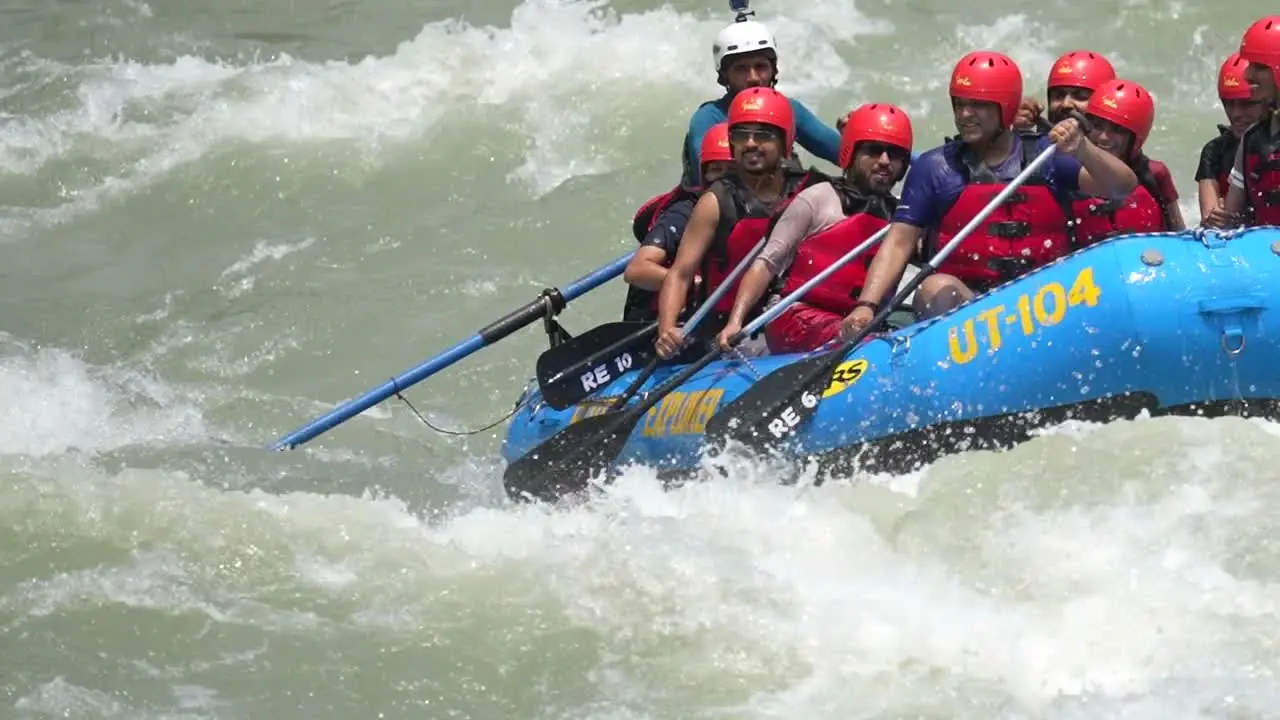
Two rafts can run the same rapid: one with certified gear, a trained guide and a safety kayaker; the other with worn life jackets, an under-experienced guide and no safety cover. Same water, very different level of risk. That difference is entirely down to the operator. Choose the operator well and the route is a matter of preference; choose it badly and even a gentle route carries avoidable risk.
The questions to ask before you pay
You don’t need to be an expert to vet an operator — you need to ask a few direct questions and listen to how confidently they answer:
- “What is your Uttarakhand Tourism rafting permit number?” A legitimate operator shares it without hesitation. Deflection is a red flag.
- “What certification do your life jackets carry, and how old are they?” Look for ISI-marked or recognised international equivalents, and remember buoyancy foam degrades over a few years.
- “What training and experience does my guide have on this exact stretch?” River reading is route-specific. Look for a specific answer, not “many years of experience”.
- “Is there a safety kayaker shadowing our raft the whole trip?” You want a clear yes, not “depending on group size”.
- “Will we get a GPS tracking link?” Tracking doesn’t prevent accidents, but it cuts response time when something goes wrong.
- “What’s your emergency protocol if someone is injured?” A good operator can describe it clearly — first response, recovery, evacuation route, bank-side contact.
If an operator answers most of these confidently, that’s a strong sign. If they can only manage one or two, book elsewhere.
Red flags to walk away from
Some signals should end the conversation:
- Dodging the permit or certification questions, or getting irritated by them.
- Visibly worn or ill-fitting gear — frayed straps, jackets that ride up, helmets that wobble.
- No safety briefing, or a rushed one that skips what to do if you fall out.
- A price far below everyone else’s with no explanation (more on this below).
- Pressure to book instantly and pay cash with no paperwork.
- Vague or evasive answers about the guide’s experience.
None of these guarantee a disaster, but each one raises the odds — and together they’re a clear signal to choose someone else.
Why the cheapest deal is usually a warning
Running rafting safely costs money. Certified whitewater life jackets need replacing on a cycle as the foam ages. Trained guides and dedicated safety kayakers cost more than untrained hands. GPS tracking and proper briefings take effort. An operator advertising a price far below the market has to be saving that money somewhere — and gear or guide quality is a common place for it to disappear.
That’s why serious operators, and verified marketplaces, don’t chase rock-bottom “mega-deal” prices. A price floor exists so verified operators can stay above their real cost of running safety properly. Judge on standards first, price second. A slightly higher price for a demonstrably safer trip is the right trade every time.
Where verification helps
Vetting operators yourself is doable but tedious, and hard to do well from a distance before you arrive. That’s the gap a verified marketplace fills. RaftingX checks every operator in person before listing them — the founding team inspects gear, watches a briefing, and rides a trip with the operator, rather than trusting a form. Operators who fall below standard are removed until they fix what was found.
RaftingX is pre-launch, with a full public launch planned for September. In the meantime, if you’d rather not vet operators cold, we can point you to a verified one for your dates directly. Email info@raftingx.com or message +91 9910-337488 (phone and WhatsApp, same number).
The short version
Choose the operator before you fall in love with a route. Ask the six questions, watch for the red flags, and be suspicious of any price that looks too good to be true. Safety is the operator’s job — your job is to pick one who takes it seriously.
Frequently asked questions
How do I know if a rafting operator is legitimate?
A legitimate operator holds the required state rafting permit, provides certified whitewater life jackets and helmets, employs trained and experienced guides, and can clearly explain their safety protocol. They will answer these questions without deflecting. If an operator dodges questions about permits, gear certification or guide training, treat that as a serious warning sign.
Is the cheapest rafting deal safe?
Not necessarily, and often not. Running safety properly — certified gear on a replacement cycle, trained guides, a dedicated safety kayaker — costs money. A price far below the market can indicate corners have been cut somewhere, and gear or guide quality is a common place for that to happen. Judge on standards first, price second.
What certification should the life jackets have?
Look for ISI-marked whitewater life jackets (Indian Bureau of Standards) or recognised international equivalents such as USCG Type III/V or CE/EN. The certification is usually printed or moulded into the jacket. Ask the operator to confirm the certification and, ideally, how old the jackets are, since buoyancy foam degrades over a few years.
Ready to plan your trip? Every operator on RaftingX is checked in person for certified whitewater gear, licensed guides and GPS-tracked trips before being listed. See the routes side by side, then book with a verified operator. RaftingX is a verified-operator marketplace — full public launch is planned for September, and bookings are handled directly on WhatsApp in the meantime.
Questions? Email info@raftingx.com or message us on +91 9910-337488 (phone and WhatsApp, same number).
Book on WhatsApp →